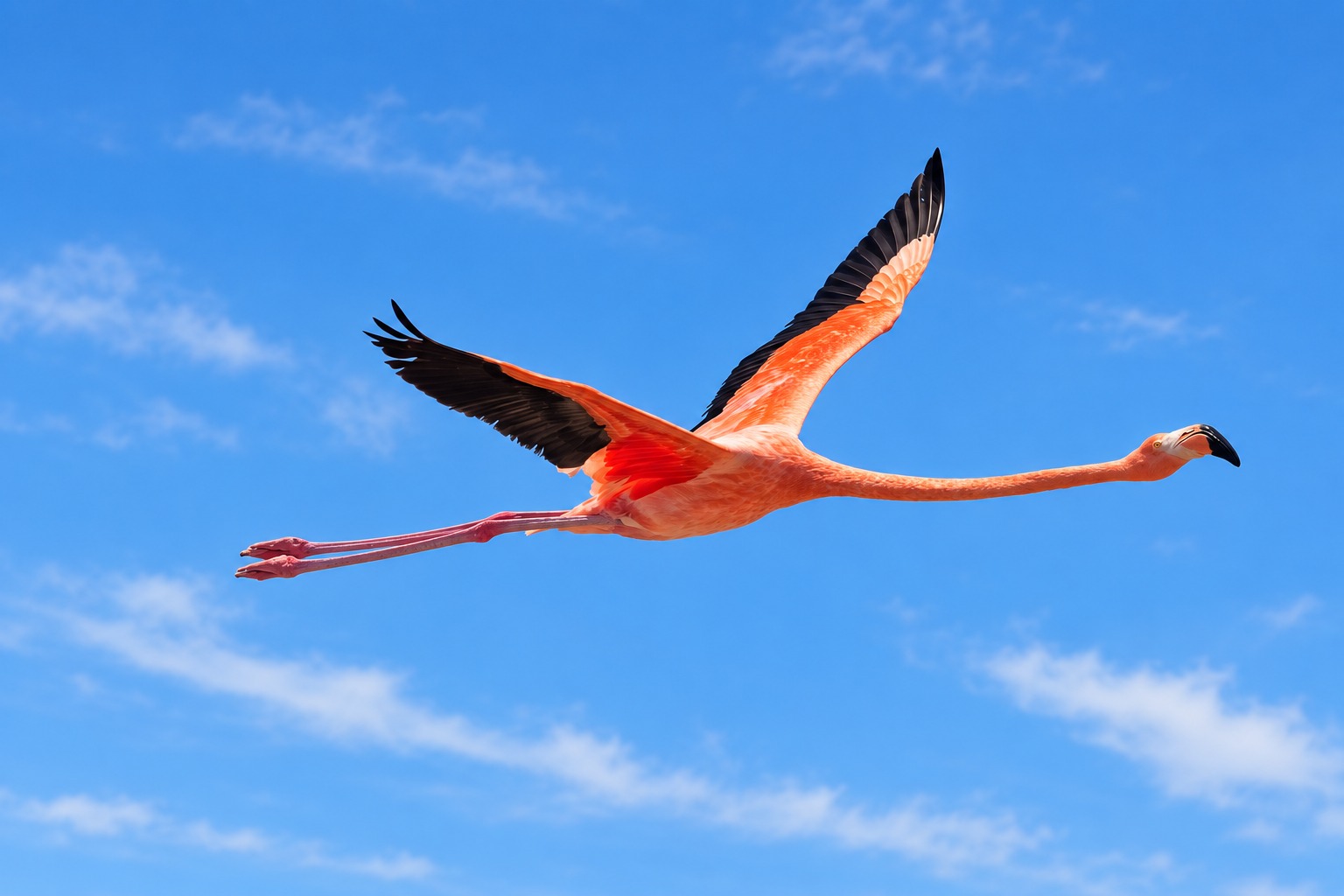
 1Book FlightCompare airlines, routes and fares for your journey to Bonaire.Compare flights →
Before Your Bonaire Trip
A simple checklist for a smoother arrival.
1Book FlightCompare airlines, routes and fares for your journey to Bonaire.Compare flights →
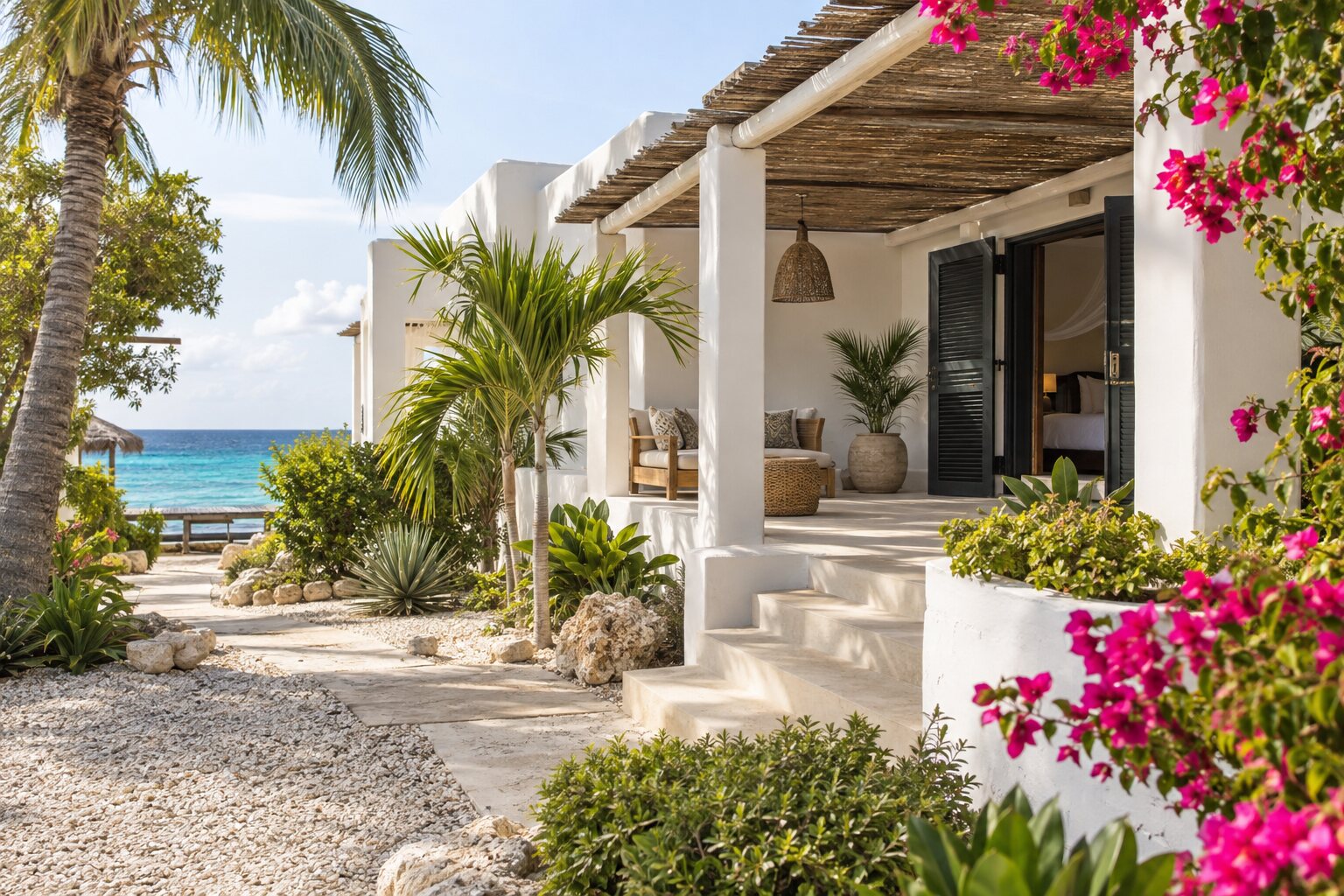 2Find AccommodationCompare hotels, apartments and island stays across Bonaire.Explore accommodation →
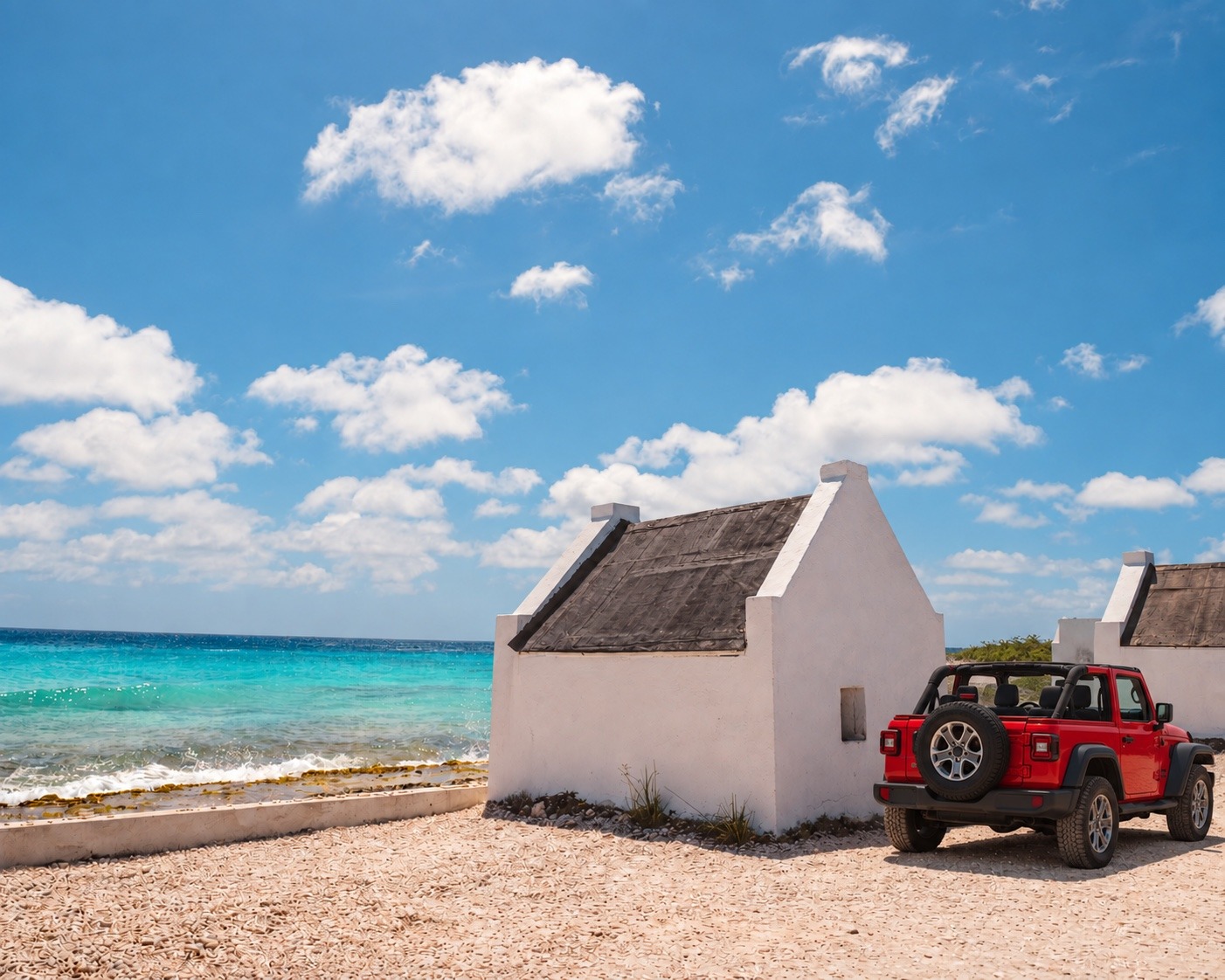 3Arrange Rental CarCompare rental cars and explore Bonaire at your own pace.Check car availability →
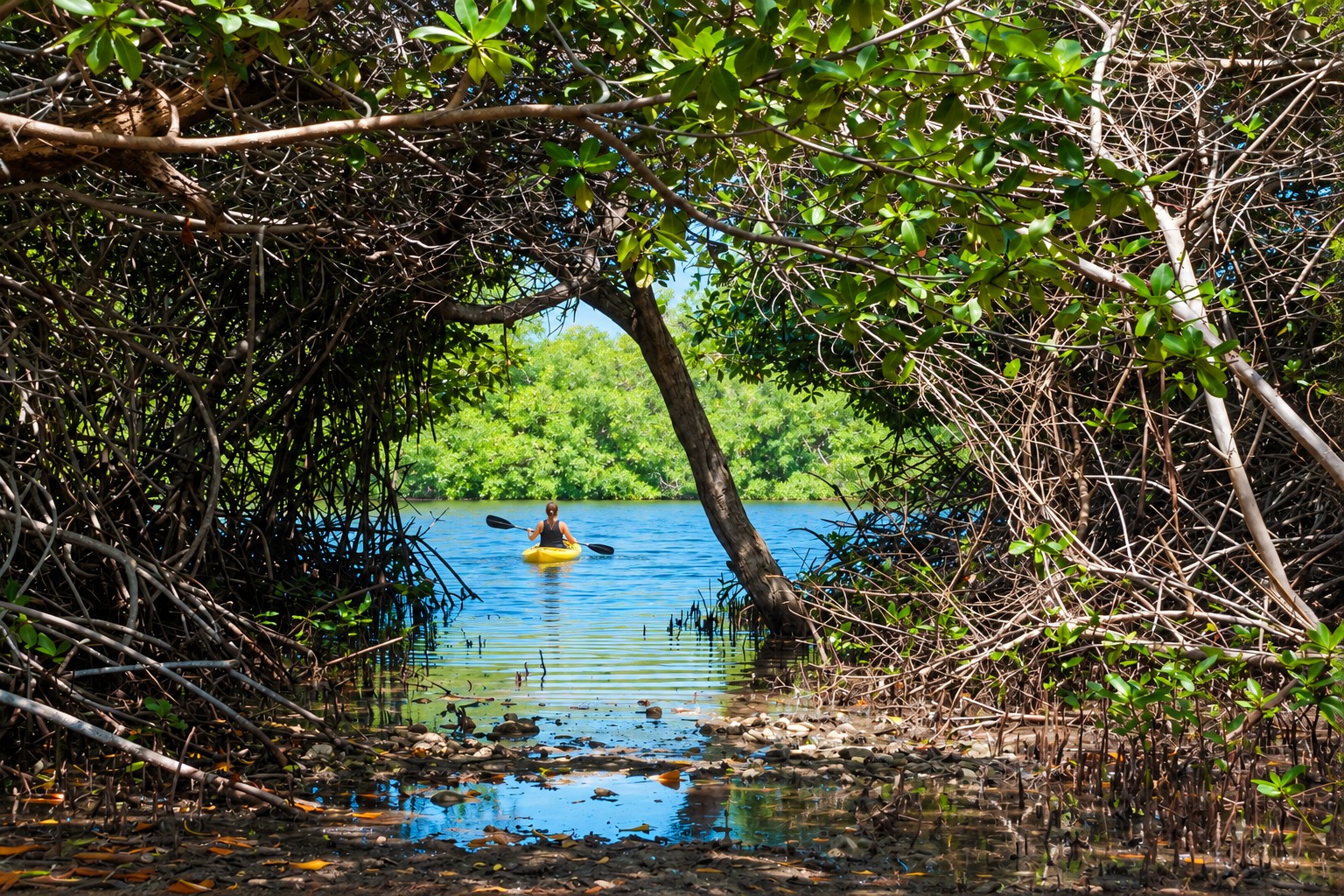 4Get Travel InsuranceProtect your Bonaire trip against unexpected events.Compare travel insurance →
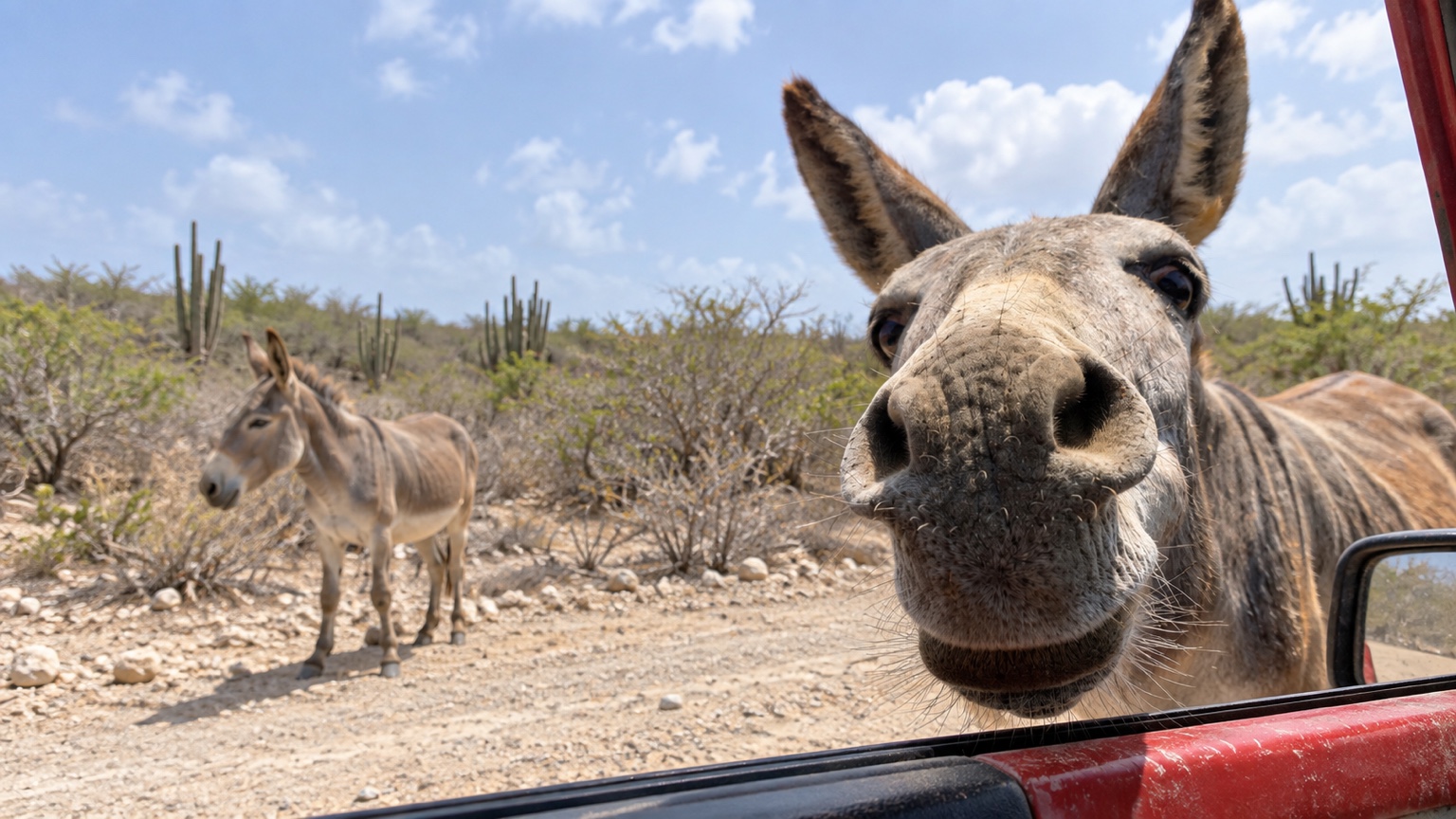 5Pay Mandatory FeesPay both mandatory Bonaire visitor fees before you arrive.Pay entry tax →Pay nature fee →
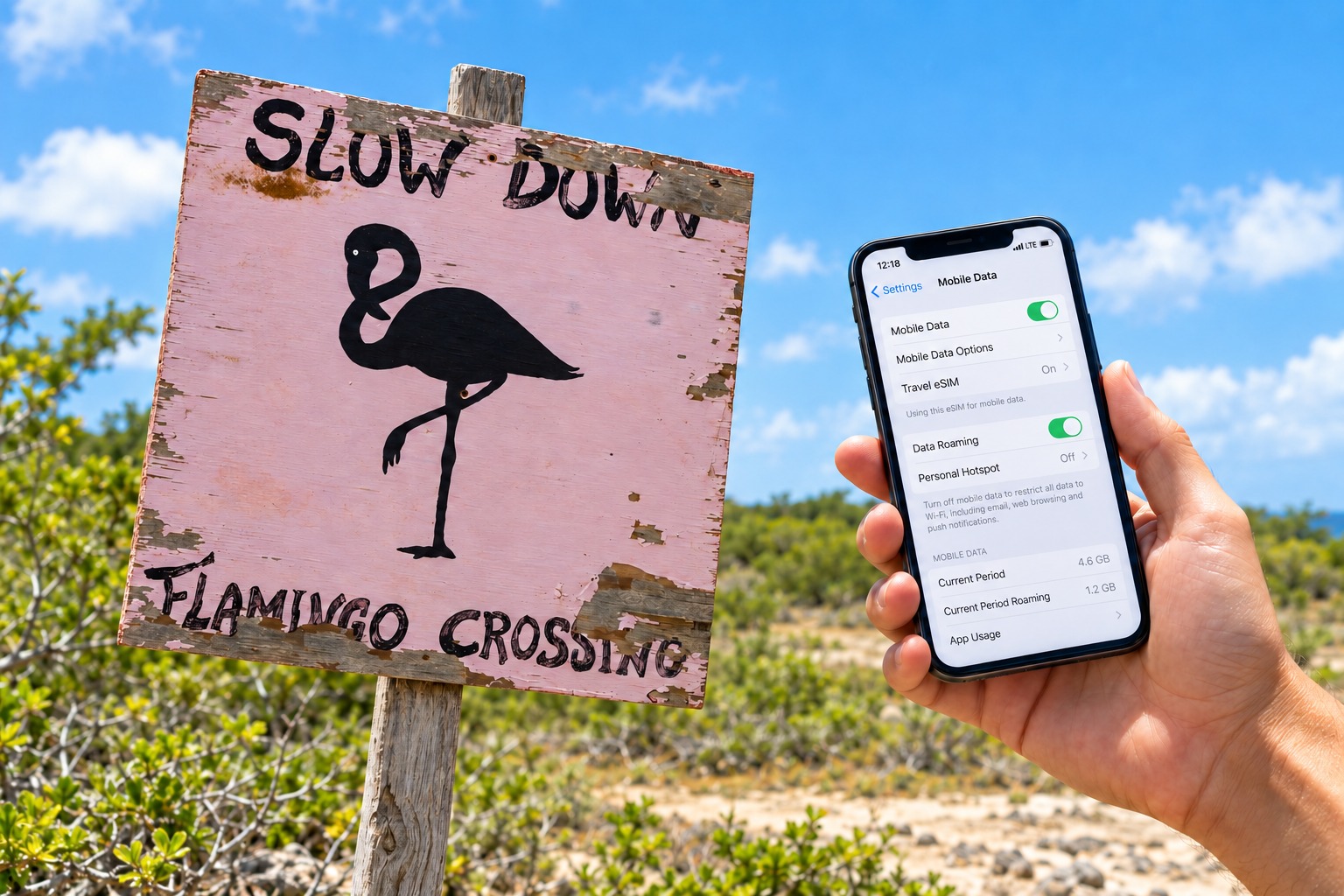 6Stay ConnectedGet affordable mobile data and stay connected across Bonaire.Buy your eSIM →
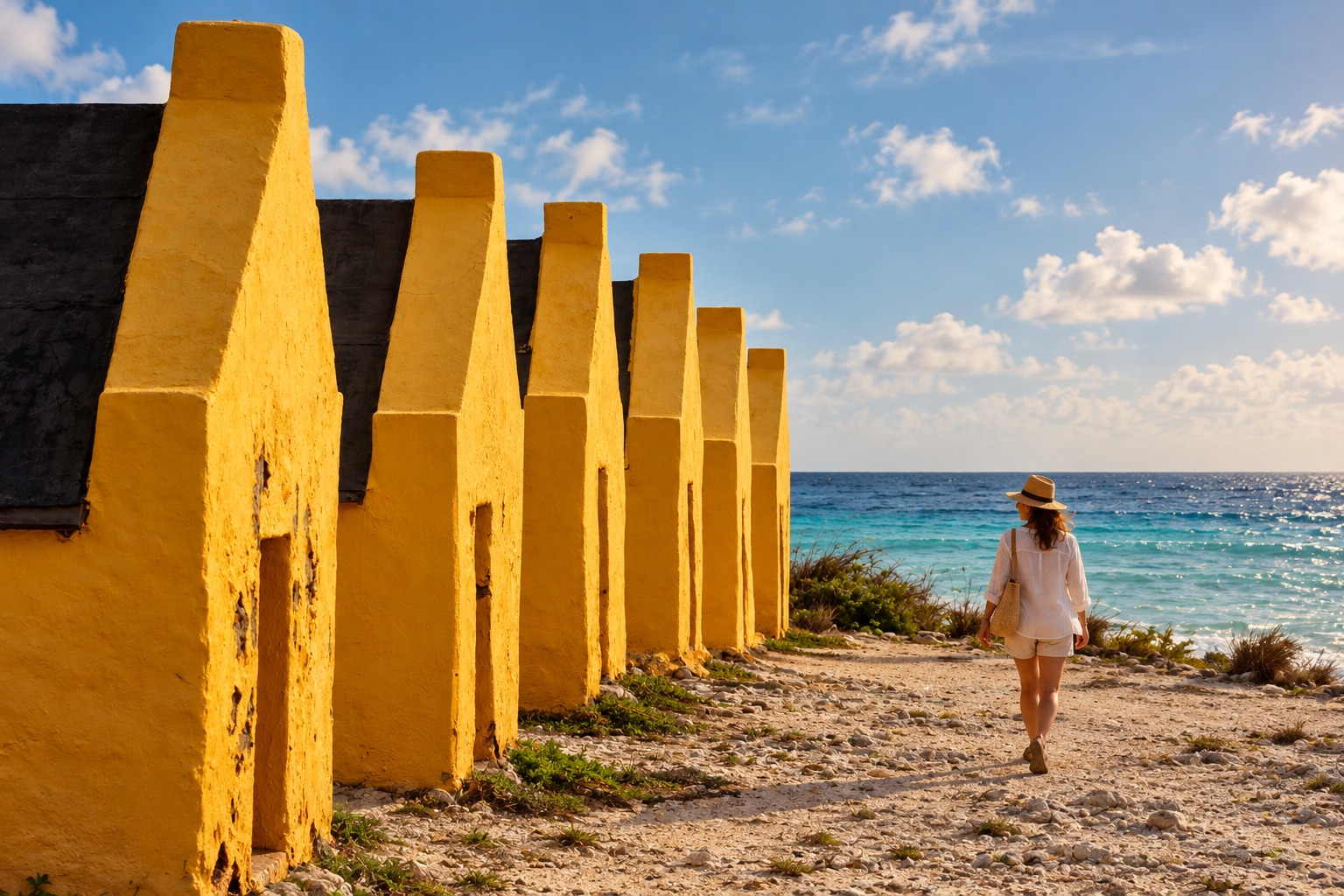 7Download Travel GuideDownload practical Bonaire information, local tips and advice.Get the free guide →
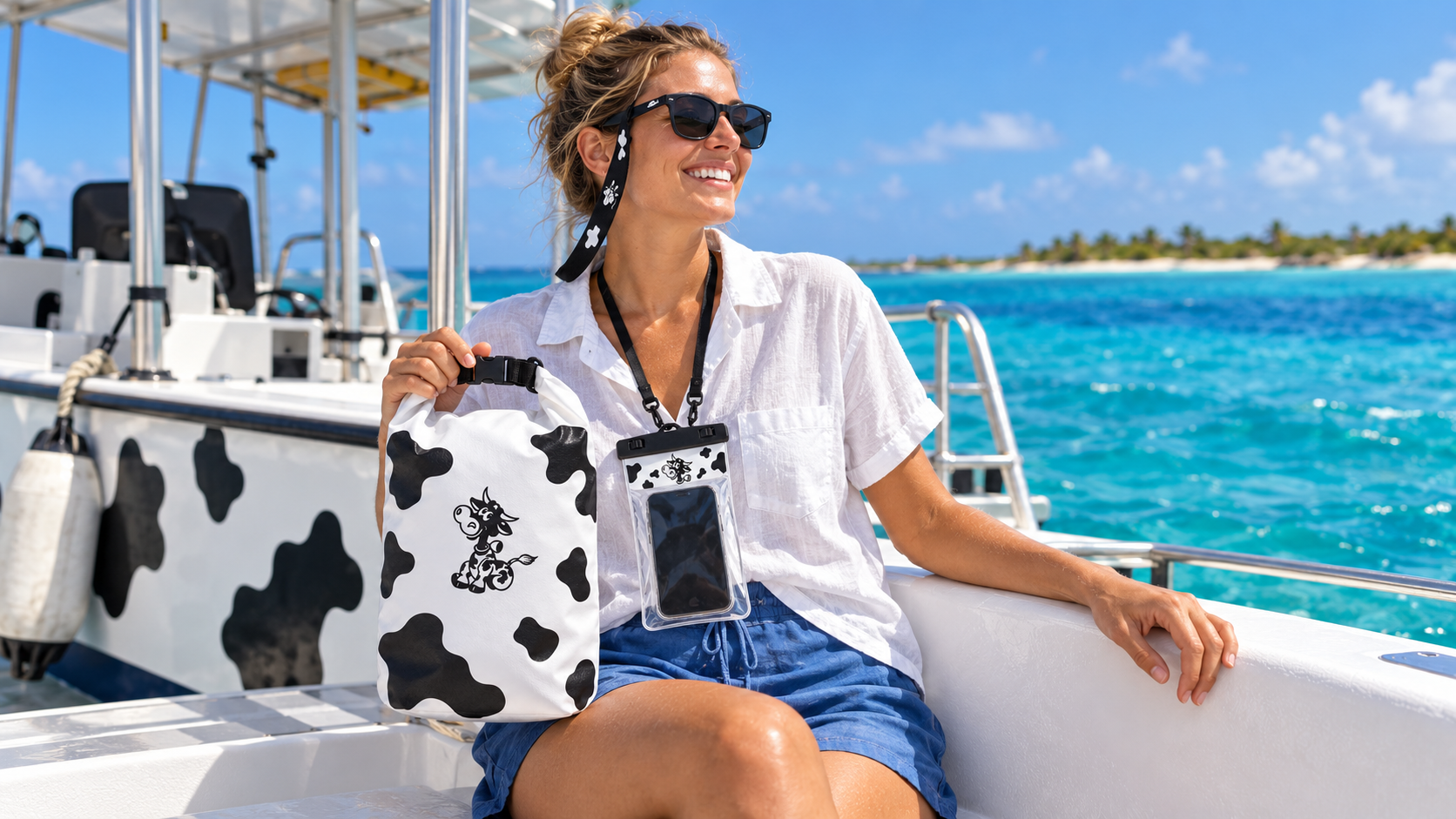 8Order Travel EssentialsPre-order island essentials and collect them at Sea Cow check-in.Shop essentials →
Arrive Ready for Bonaire
Two softer versions with clearer official references. Choose the one that feels best.
GOOD TO KNOW BEFORE YOU GO
Ready for
Ready for
Bonaire?
Arrange these two separate payments before your trip.
Check entry requirements$75PER VISIT
VISITOR
ENTRY TAXOFFICIAL BONAIRE PORTAL
ENTRY TAXOFFICIAL BONAIRE PORTAL
Visitor Entry Tax
For most non-resident visitors aged 13 and older. Pay online and save the QR code for arrival.
$40PER CALENDAR YEAR
STINAPA BONAIRENATIONAL PARKS FOUNDATION
STINAPA Nature Fee
For visitors aged 13 and older entering the water or visiting Washington Slagbaai.
GOOD TO KNOW BEFORE YOU GO
ENTRY REQUIREMENTSCheck passport and visa rules
Arrive Ready for Bonaire
VISITOR ENTRY TAXOFFICIAL BONAIRE PORTAL
$75
Visitor Entry Tax
PER VISITFor most non-resident visitors aged 13 and older. Save your QR code for arrival.
Pay entry taxSTINAPA BONAIRENATIONAL PARKS FOUNDATION
$40
Nature Fee
PER CALENDAR YEARFor visitors aged 13 and older entering the water or visiting Washington Slagbaai.
Buy nature feeExplore Before You Go
A little inspiration for your island adventure.
6 videos
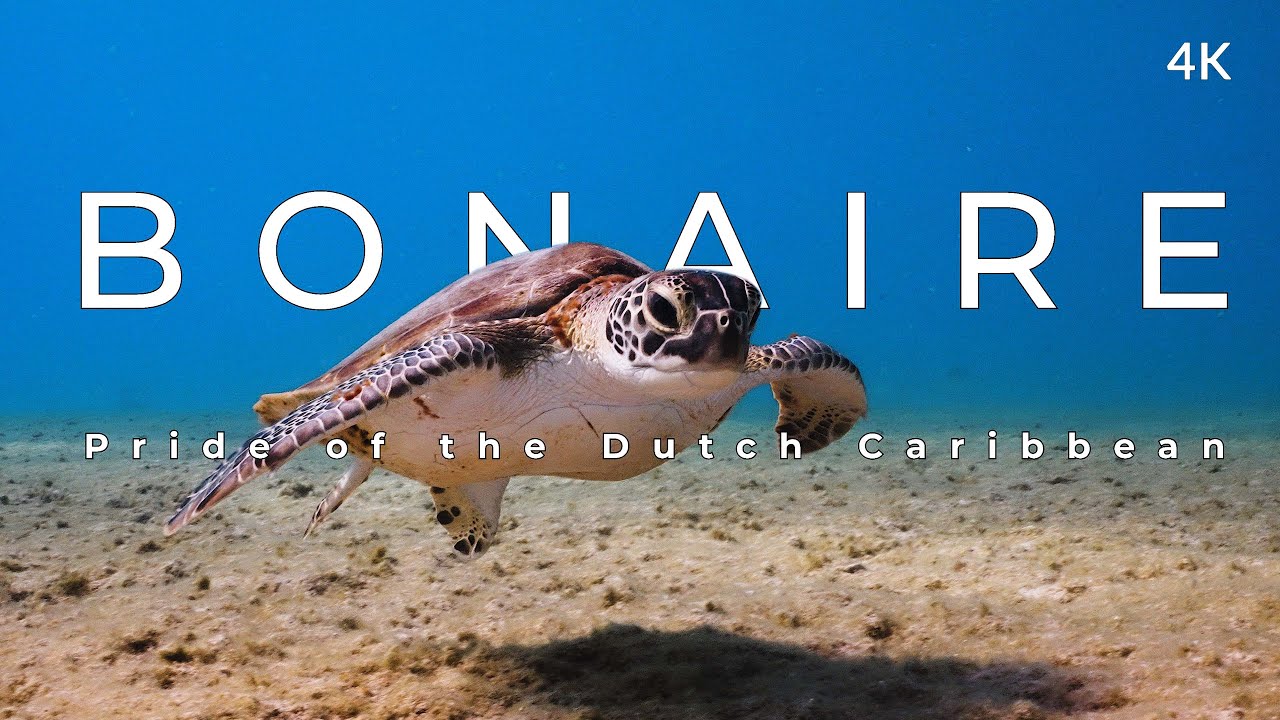 This Is Bonaire (4K) Video by Jurrien Wiss
 7 Incredible Places on Bonaire Video by Erik Van Conover
 Sorobon Beach Webcam Video by SHOWME Caribbean
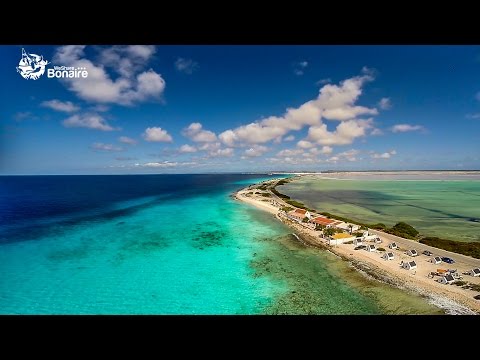 I Shall Return Video by We Share Bonaire
 Rediscover Bonaire Video by Bonaire Island
 Bonaire 4K Drone Footage Video by Planet Oceanic
Videos open on YouTube · By independent creators.
Know Before You Go
Useful answers for a smoother Bonaire stay.
Which fees should I arrange?
Visitor Entry Tax: the standard rate is US$75. Reduced rates and exemptions apply. Pay via the official portal and save your confirmation.
STINAPA Nature Fee: a separate US$40 fee for access to the marine park and Washington Slagbaai National Park, valid from January through December. Check exemptions and keep your QR code handy.
What about health and insurance?
Check that your insurance covers medical care and repatriation on Bonaire, plus diving if planned.
Vaccination advice depends on your health and travel route. Yellow-fever proof may be required when arriving from a risk area. Ask a travel-health professional for personal advice and bring insect repellent.
How long can I stay?
Visa-free stays are generally limited to 90 days in 180; Dutch and US nationals may stay up to 180 consecutive days in 365. Your passport must cover your stay. Working requires separate permission. Check the rules for your nationality; local authorities decide admission.
How should I get around?
Bonaire has no regular public bus network. A rental car is handy for exploring; taxis and pre-arranged transfers are alternatives. Plan your airport ride before you arrive.
Drive on the right and carry a valid driving licence. Sunset drinks planned? Arrange your ride home first and leave the car parked.
What currency is used on Bonaire?
Bonaire uses US dollars. Cards are widely accepted, but it is useful to keep some cash for smaller purchases.
Can I drink the tap water?
Yes. Bonaire's tap water is safe to drink, so bring a refillable bottle and top it up throughout the day.
Which time zone does Bonaire use?
Bonaire stays on Atlantic Standard Time (UTC−4) all year and does not observe daylight-saving time.
Go Where the Locals Go
Our picks for dining, beach days and useful island extras.